What to Check Before You Rent or Buy a Property in Dubai
Twenty minutes of checking before you sign is worth more than any amount of negotiating afterwards. Here is exactly what to look at, and what to photograph.
10 August 2026 · 7 minute read · TRAXICO
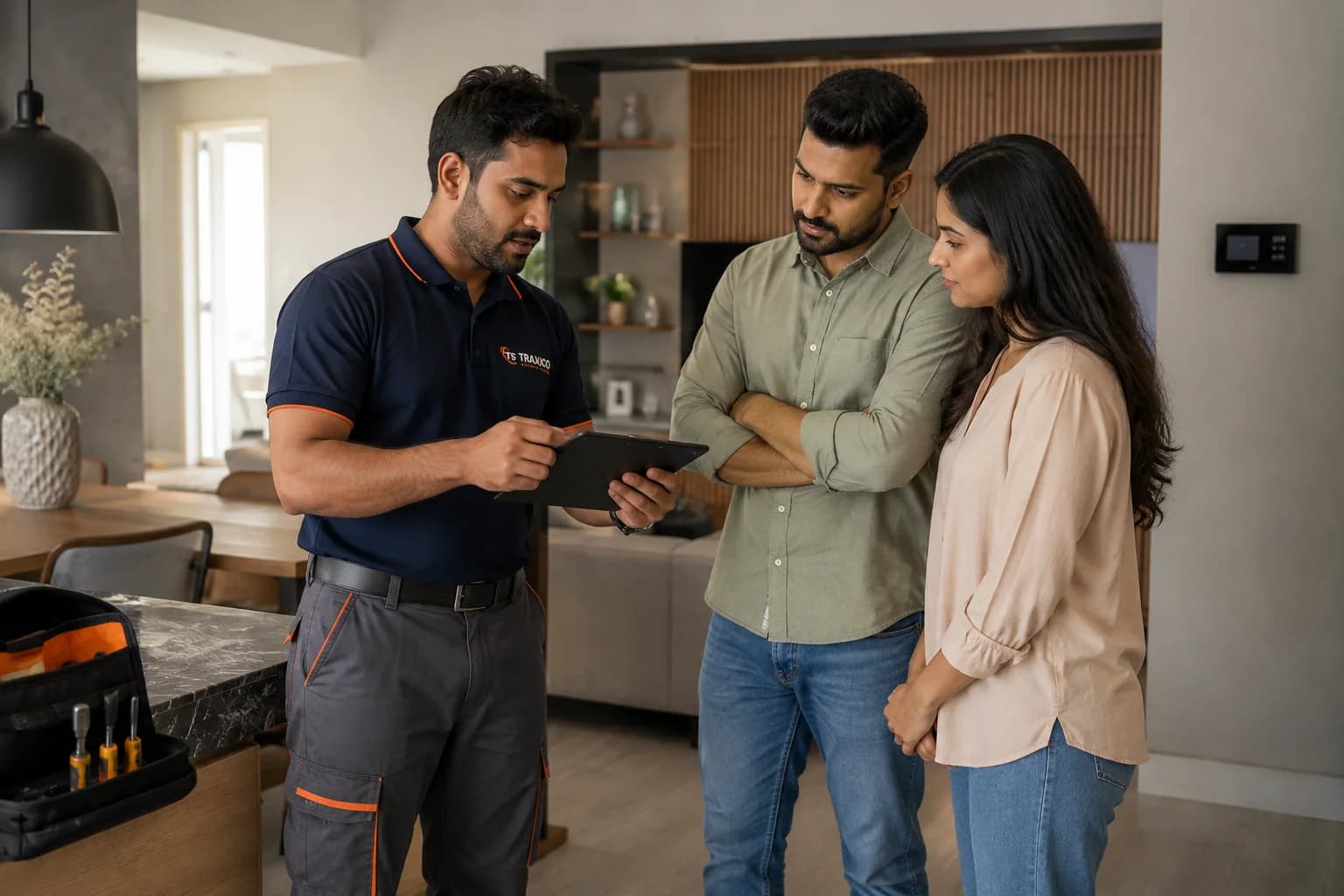
Most people view a property for fifteen minutes, in the middle of the day, with an agent talking. Then they sign something that makes every fault in it their problem.
This is the check we would do, and it is the same one whether you are renting for a year or buying to keep. It takes about twenty minutes and it costs nothing.
Air conditioning, first and properly
This is the most expensive thing in the property to put right and the easiest thing to check badly.
Turn every unit on, in every room, and leave them running for the whole viewing. Not one, not for a minute. You are looking for whether each one actually cools, not whether it makes a noise.
- Does every room cool, or is one always warmer than the rest
- Pull a filter out and look at it. Grey filters mean it has not been serviced
- Smell the air in the first minute. Musty means growth on the coil
- Look for water marks on the wall under each indoor unit
- Ask how old the units are and when they were last serviced
In a district cooling building, ask which provider and how the charges work, because that is a monthly cost and it is not always what people expect.
Water, in both directions
Water arriving and water leaving are two separate checks and most people do neither.
Arriving
Run the kitchen tap and a bathroom tap at the same time and see what happens to the pressure. Then run the hot water and time how long it takes to arrive. In a villa, ask where the tank and the pump are, and whether the tank has ever been cleaned.
Leaving
Fill each basin and bath, then pull the plug and watch. Slow water now is slow water that will be blocked water in three months. Flush every toilet twice and listen for a cistern that keeps filling.
Open every cupboard under every sink and put your hand on the pipes. You are feeling for damp and looking for a swollen carcass at the base.
Electrics
Find the distribution board and photograph it. A board with clear labelling has usually been looked after. A board where nothing is labelled and there is tape over a switch has not.
Check there is residual current protection, which in an older villa there sometimes is not. Then walk around with the lights on and try sockets in each room, particularly the ones behind furniture that nobody has used in years.
Look at each socket face for discolouration or scorching around the pins. That is arcing, and it means something behind it has been getting hot.
Ceilings and walls, in daylight
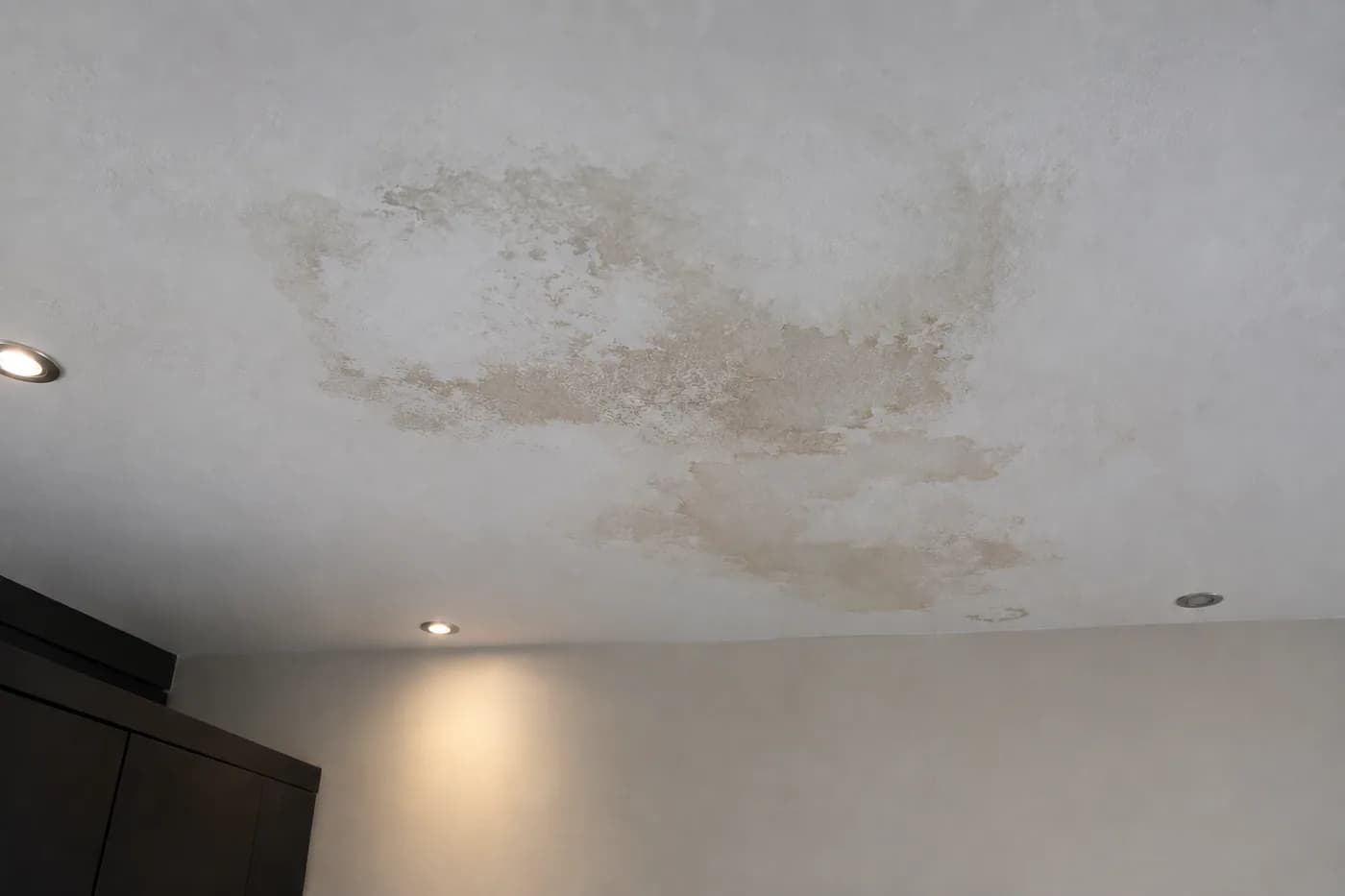
Look up in every room, including hallways and inside built-in wardrobes. You are looking for a brown ring, a patch where the paint has lost its sheen, or an area of ceiling that has been repainted differently from the rest.
Fresh paint on one ceiling in an otherwise unpainted flat is worth asking about directly. It is often perfectly innocent and it is occasionally a stain that somebody covered rather than fixed.
Fine cracks above door frames are normal and cosmetic. Cracks that run diagonally across a wall, cracks wide enough for a coin, and cracks that continue across a corner deserve a proper look.
Tiles, floors and bathrooms
Walk the floors and listen. Tap a few tiles with a knuckle. A hollow sound means the bond underneath has gone, and hollow tiles fail one at a time from then on.
In bathrooms, look at the silicone where the tiling meets the bath, the tray or the worktop. Black silicone means mould behind it. Look at the grout in the shower and see whether it is stained through rather than just dirty.
Doors, windows and everything mechanical
Open and close every door, including wardrobes and the balcony. Lock and unlock the front door with the key you are given. Open every window and check the seals.
These are small jobs individually and there are usually more of them than anybody expects. A handyman visit at the start is cheaper than a list of complaints later.
The questions to ask out loud
- When were the AC units last serviced, and is there a record
- Who is responsible for AC maintenance under this contract, landlord or tenant
- Has there ever been a leak in this property, and where
- Is there anything the building restricts, such as working hours or contractor permits
- What is included in the service charge, and what is not
That second question matters more than people realise. In Dubai the AC servicing obligation sits with the landlord in some contracts and the tenant in others, and it is worth knowing before you sign rather than the first time something stops.
If you are buying rather than renting
Everything above still applies and the stakes are different, because there is no landlord to pass anything to.
For a villa or an older property it is worth having somebody go through it properly before you exchange. A survey costs a fraction of one bathroom, and the two things it usually finds, an ageing AC system and a bathroom without proper waterproofing, are the two most expensive surprises in Dubai property.
The faults you find before signing are somebody else’s. The ones you find afterwards are yours.