The Problems Damaging Your Property Where You Cannot See Them
The faults that cost the most are rarely the ones you can see. They happen in ceiling voids, behind tiling and inside walls, and they are usually well established before anything shows.
12 August 2026 · 6 minute read · TRAXICO
A dripping tap is annoying and harmless. It announces itself, somebody deals with it, and nothing is lost but water.
The faults that actually damage buildings do the opposite. They give almost no signal from inside the room, and by the time one is visible it has usually been running for months. Here are the ones we find most often, and what gives each of them away.
The AC drain in the ceiling void
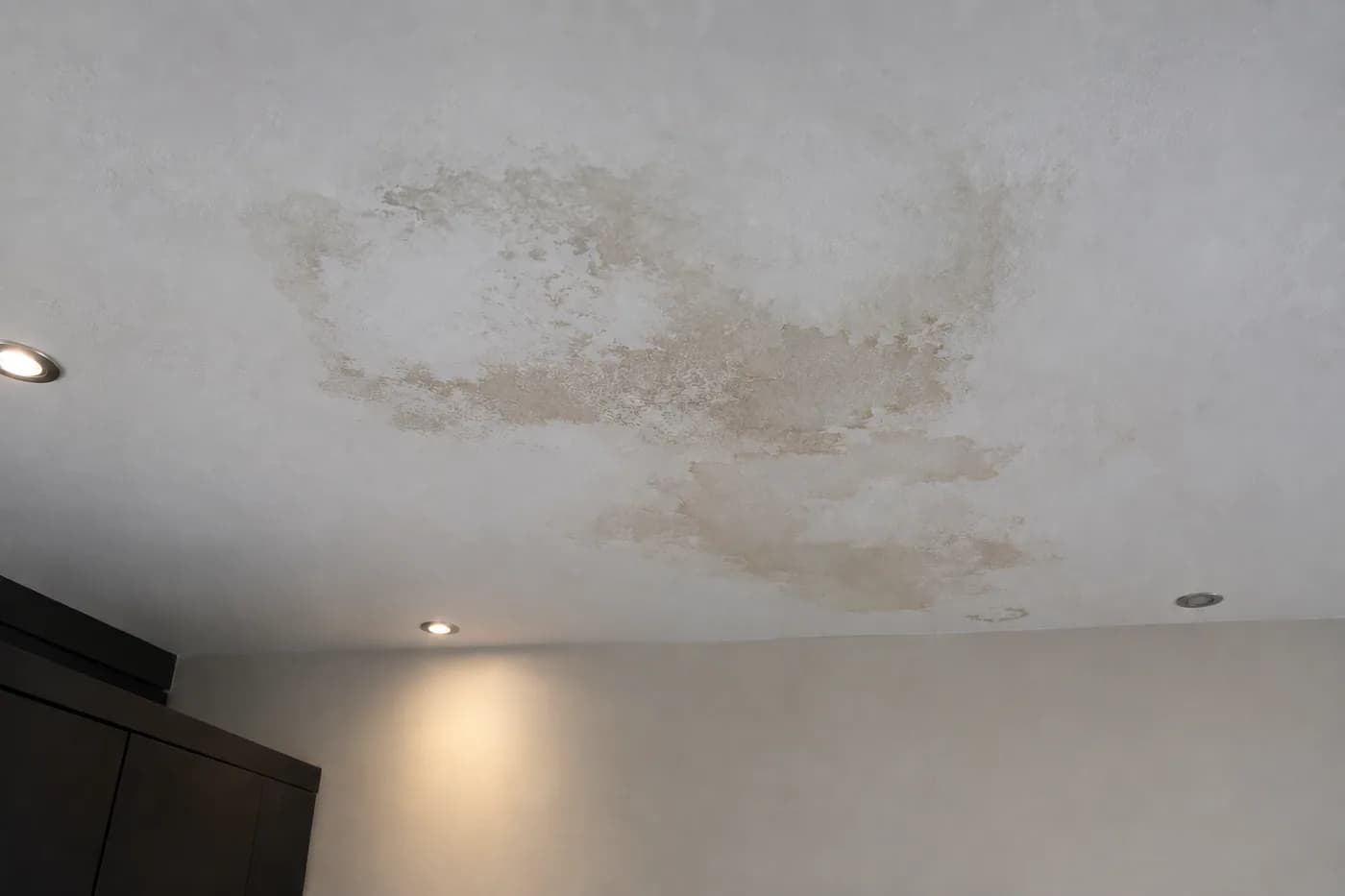
On a ducted system the indoor unit sits above your ceiling, out of sight, with a condensate drain running away from it. When that drain silts up, the pan overflows into the void.
What is above your ceiling is plasterboard, timber battens, insulation and sometimes cabling. Water sits in all of it and nothing appears in the room for weeks, because plasterboard absorbs a great deal before it stains.
What gives it away
- A faint musty smell in a hallway with no obvious source
- A ceiling that sounds different when tapped in one area
- Paint that has lost its sheen in a patch, before any colour change
- A light fitting or ceiling tile that has started to sag slightly
Water behind bathroom tiles
Tiles and grout are not waterproof. Grout is porous by design, and every joint in a shower is a route through it. What actually keeps water out of the structure is the tanking membrane underneath, applied before the tiles went on.
Where that was skipped, and it is skipped often, the tiles hold water back for a few years and then stop. Nothing changes visibly in the bathroom. What changes is somebody else’s ceiling.
A slow leak under a kitchen unit
Under-sink cupboards are the least inspected square metre in most homes. A compression joint that is weeping a drop an hour puts nothing on the floor, so nobody looks.
Chipboard carcasses absorb it, swell from the bottom, and eventually the unit is holding together out of habit. If the flooring runs under the units, that goes too.
Once a month, put your hand on the pipework rather than looking at the floor. Damp is detectable long before a drip is visible.
Dust and growth in ductwork
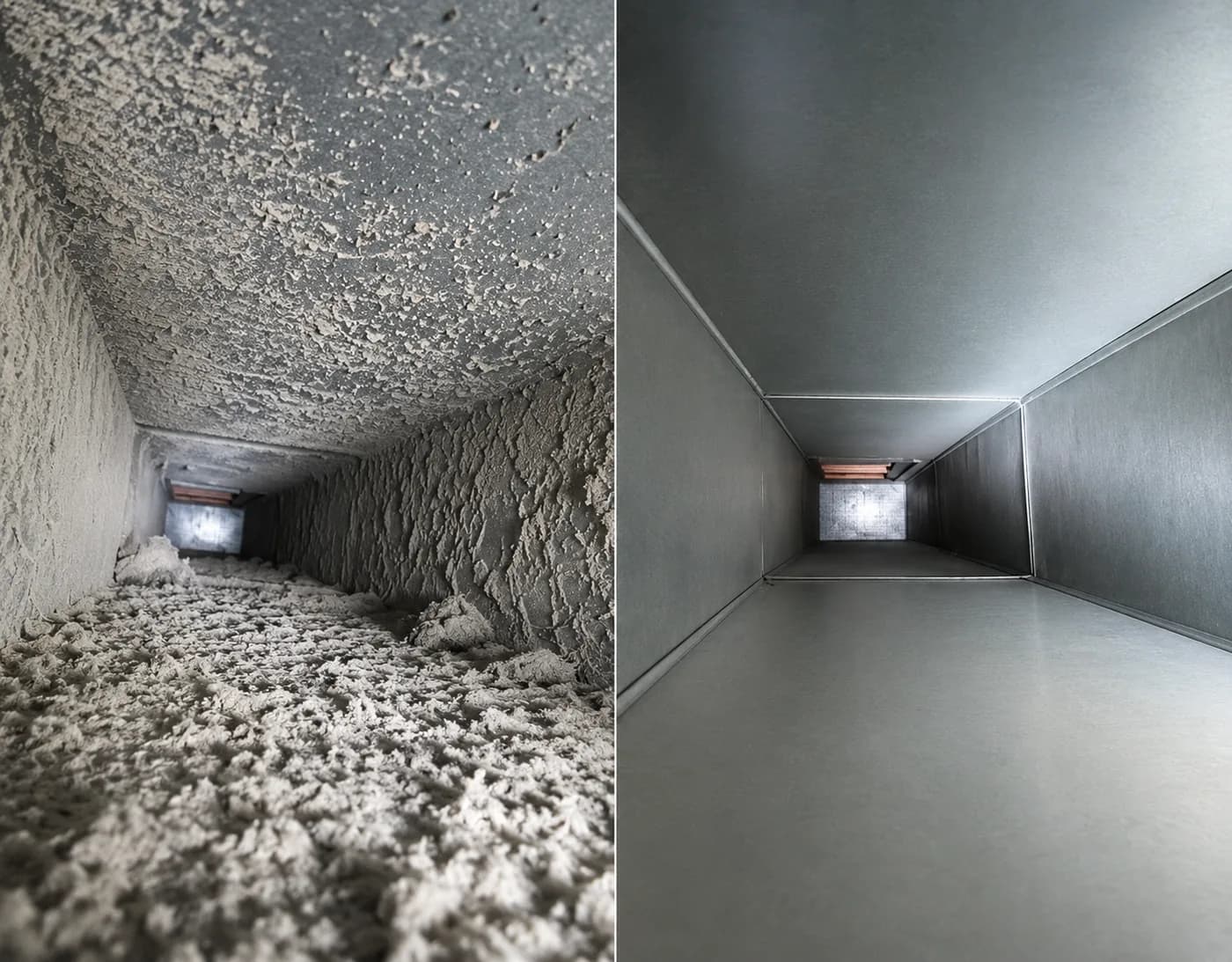
You cannot see inside your ducts, which is why duct cleaning is the easiest service in Dubai to charge for and not perform.
It is also why genuine duct problems go unnoticed. A newly handed over property is the clearest case: the system ran throughout the fit out with no filters, so the ductwork carries plaster dust, cut-offs and construction debris from day one.
The signals are indirect. Dust returning to surfaces faster than housekeeping explains, a smell that arrives with the air, or one room that is dustier than the rest. Any company worth using will put a camera in and show you before quoting anything.
Loose electrical terminals
This one is invisible by definition, and it is the one with the worst ending.
Connections expand and contract with every heat cycle and gradually work loose. A loose terminal has resistance, resistance produces heat, and heat loosens it further. The process runs for months inside a socket box or a distribution board with no external sign at all until something discolours or smells.
The only real answer is somebody checking and torquing connections periodically, which is why an electrical check belongs on a maintenance schedule rather than being something you call about.
A water tank nobody has opened
In a villa the tank is yours. Plenty have not been opened since handover, and sediment, biofilm and occasionally worse accumulate in there quietly.
It does not damage the building, but it is the source of every tap in the house, and it is one of the few hidden problems where the consequence is health rather than repair cost.
How to find hidden faults without paranoia
None of this needs you inspecting your home with a torch every weekend. What it needs is a habit and an occasional pair of eyes.
- Once a month, feel the pipework under every sink
- Tap tiled areas occasionally and listen for hollow ones
- Notice smells, especially ones that arrive with the air conditioning
- Photograph any mark with a date, then again a fortnight later
- Have somebody look at what you cannot reach a few times a year
Every hidden fault we find was findable months earlier. It was just not visible from the sofa.